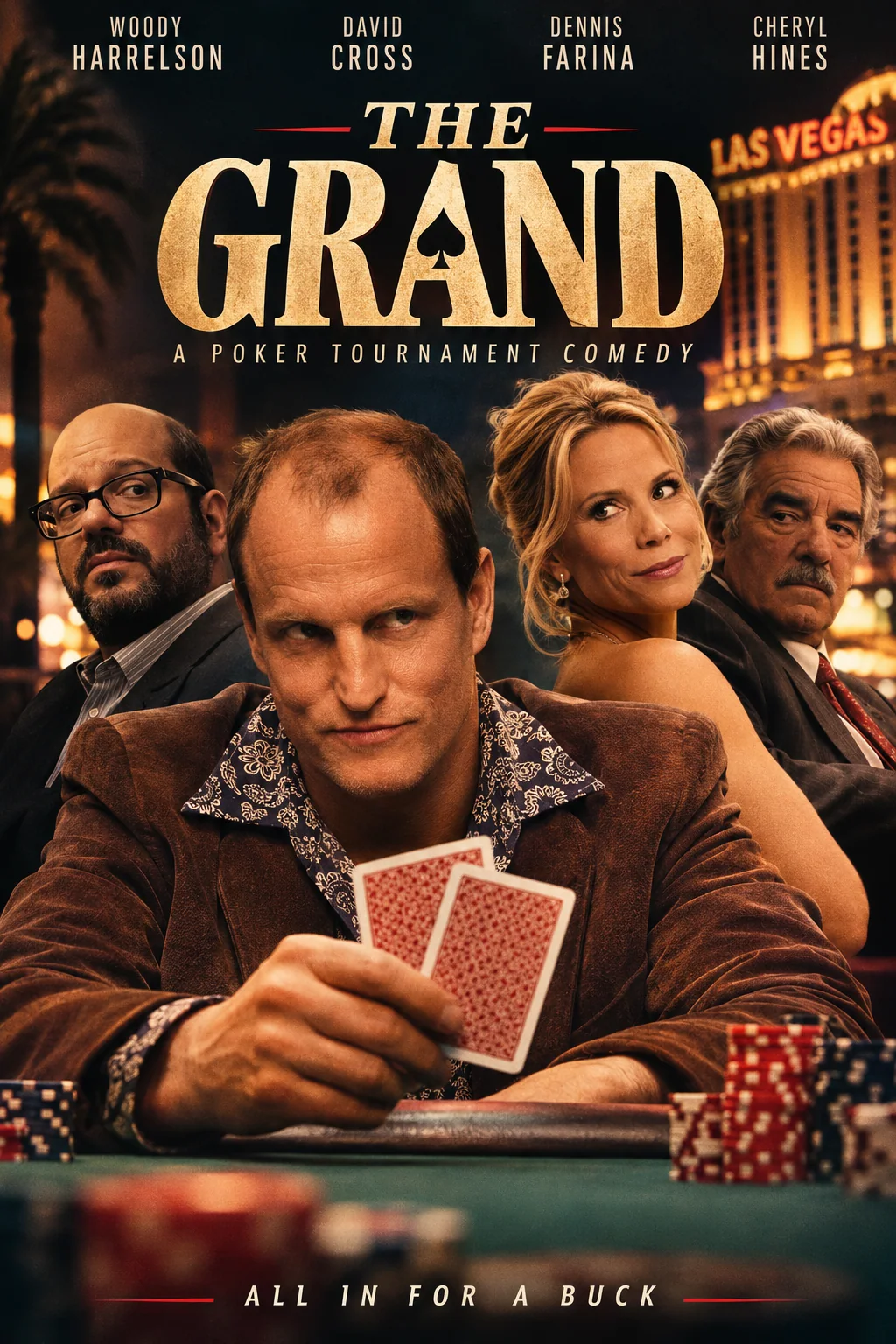
Zak Penn's The Grand (2007) approaches professional poker from a direction unusual in gambling cinema: improvisational comedy. Presented in the style of a mock documentary, the film follows an ensemble of exaggerated personalities competing in a Las Vegas poker tournament. Woody Harrelson, David Cross, Cheryl Hines, Richard Kind, Chris Parnell and Dennis Farina are among the performers who give the fictional event its distinctive character.
The movie premiered at the 2007 Tribeca Film Festival and reached theaters in 2008. Its tournament setting reflects the popularity of televised poker during the preceding decade. Instead of emphasizing the pursuit of technical mastery, it examines the personalities, public performances and emotional expectations surrounding the game.
Tournament Structure
How the championship creates the story
The fictional Grand Championship of Poker brings together competitors whose motivations differ substantially. For Harrelson's character, Jack Faro, the tournament is connected to his attempt to regain his family's casino. Other contestants bring familial expectations, personal pride, unusual habits and a desire for recognition to the competition.
A tournament provides a convenient structure for ensemble storytelling. It begins with a group of participants and gradually narrows attention toward the remaining competitors. Each character has an independent objective, but their fortunes become interconnected through the event. The format creates dramatic tension even when the audience is more interested in the contestants than the cards they hold.
Penn uses the conventions of sports broadcasting to make the fictional tournament recognizable. Interviews, commentary, reactions and character introductions resemble the media coverage that helped bring poker into mainstream entertainment during the early 2000s.
Why improvisation matters
The production gave performers considerable room to improvise within an established framework. The actors played their fictional characters while participating in actual poker games, allowing uncertainty about the competition to influence the comedy.
This method creates a different relationship between the screenplay and the tournament. Conventional gambling dramas typically arrange each major hand to support the protagonist's emotional development. An improvisational production can instead allow the reactions of its performers to become part of the story's momentum.
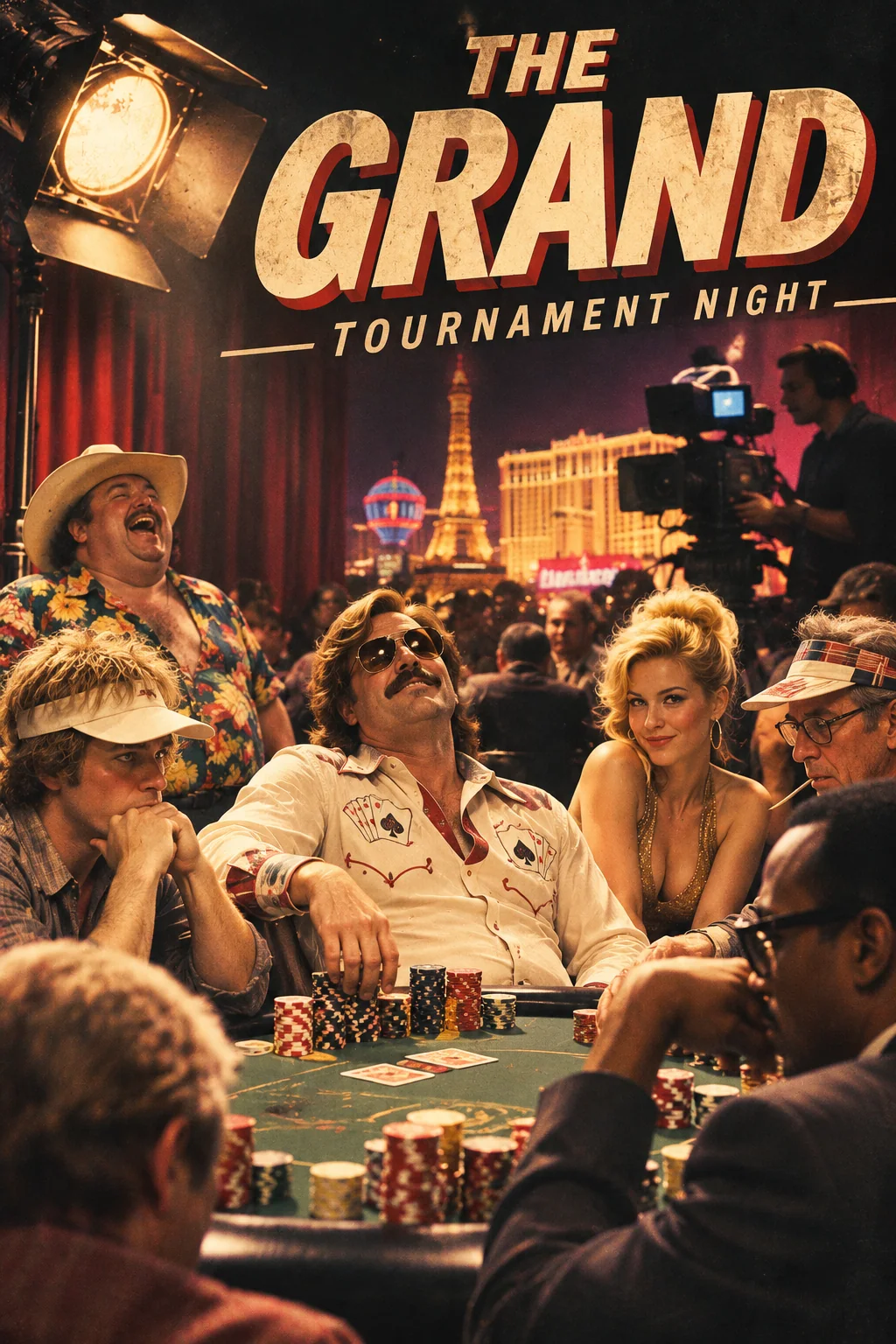
AI-generated editorial illustration; not an official film still.
The result is less like an instructional poker film and more like a portrait of a subculture. The cards provide a shared activity, but personalities provide the entertainment. Viewers who do not know detailed tournament rules can still recognize the conflicts generated by competition, family relationships and public expectations.
Poker Comedy and Characters
Jack Faro and the family legacy
Woody Harrelson plays Jack Faro, whose personal history and desire to recover his grandfather's hotel-casino provide the tournament with a conventional dramatic objective. The premise resembles other gambling movies in which a single victory appears capable of resolving an accumulated financial problem.
However, the comic tone undermines the idea of an uncomplicated hero. Faro's personality and circumstances are sources of humor. His objective gives audiences a reason to follow the competition without requiring them to accept his decisions as responsible or sustainable.
Rival siblings and competitive identity
David Cross and Cheryl Hines portray sibling competitors whose relationship is shaped by the expectations of their father. Their rivalry gives the tournament an emotional dimension that extends beyond money. Winning becomes associated with recognition and the desire to establish an independent identity.
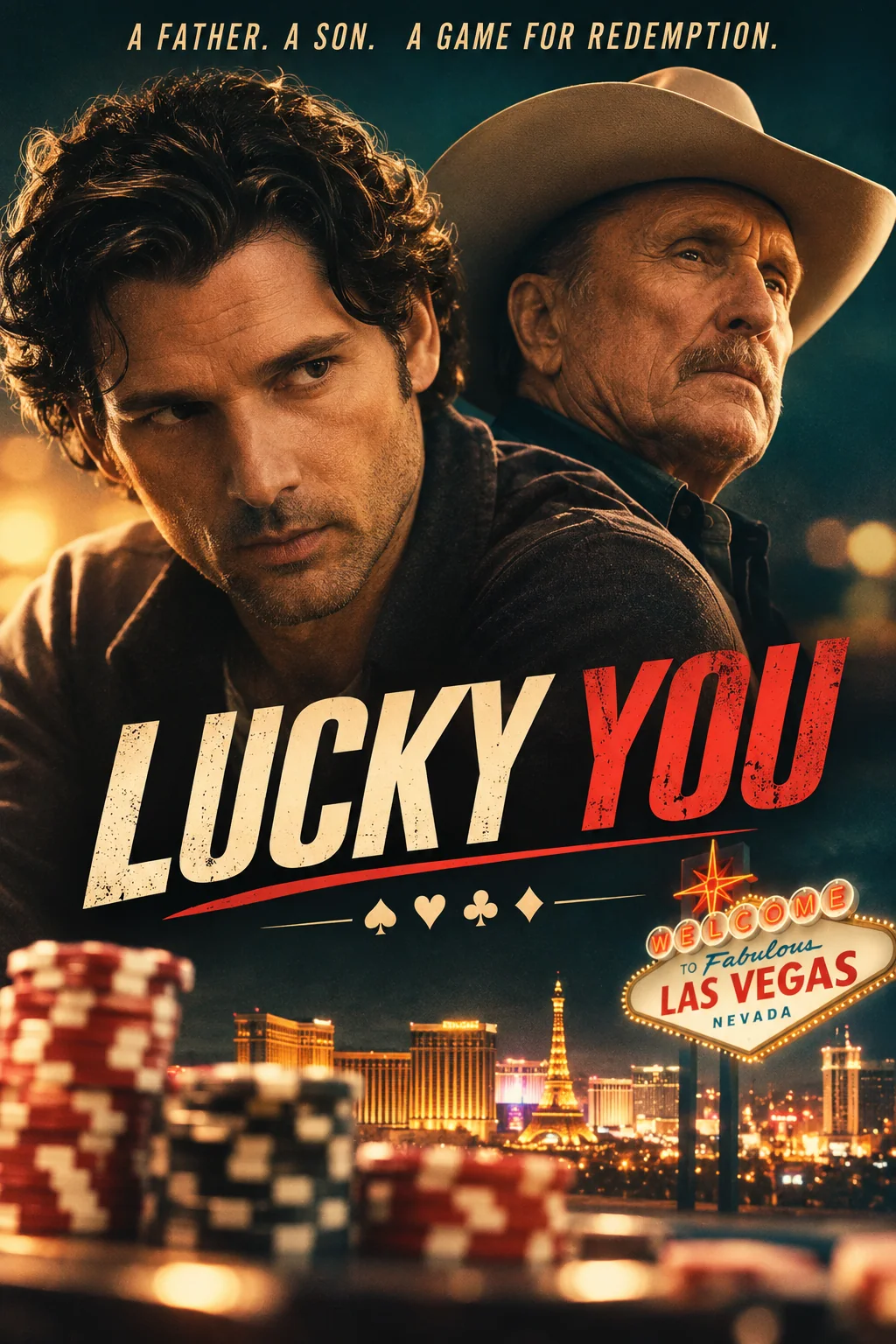
This conflict is recognizable in more serious poker movies. Lucky You uses a father-son rivalry to examine similar tensions, while The Grand exaggerates the characters' behavior to create satire. The comparison demonstrates how the same psychological theme can support very different cinematic tones.
Amateur confidence and professional eccentricity
The movie surrounds its central competitors with unusual personalities, from experienced players to apparently naive newcomers. Their mannerisms, obsessions and confidence create humor through contrast. Some participants appear to take the game extremely seriously even when their behavior seems absurd to outsiders.
The comic approach exposes the performative aspects of tournament poker. Players may develop distinctive public personas, and media coverage can transform those personas into recognizable brands. A participant's visibility does not necessarily establish superior ability, but it can influence the way audiences interpret a competition.
The televised poker boom and the mockumentary form
The film's release occurred during a period when televised poker had become a familiar part of American entertainment. The success of broadcasts and online communities increased the visibility of professional players and transformed tournaments into media events. Penn's film draws on that cultural moment by mimicking the presentation of competitive poker.
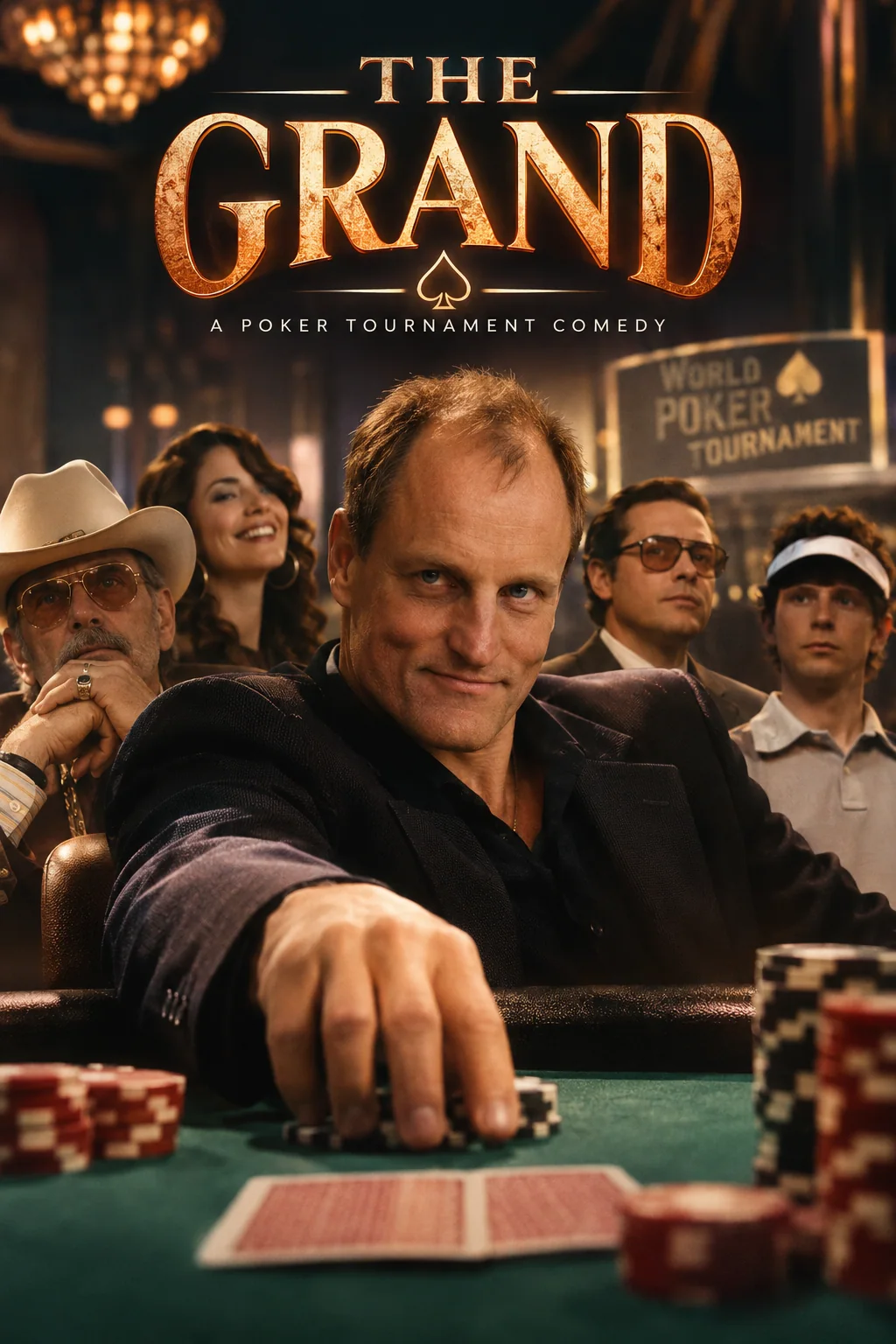
AI-generated editorial illustration; not an official film still.
In a mockumentary, characters often speak directly about themselves and their ambitions. The discrepancy between their self-perception and their behavior becomes a major source of comedy. The Grand uses this device to examine the way competitors construct narratives about their own talent, reputation and future.
The actual historical growth of poker broadcasting is discussed in All In: The Poker Movie. While that documentary explains a real cultural transformation, The Grand turns the recognizable conventions of the industry into comic material.
Gambling psychology in The Grand
Overconfidence as comedy
Overconfidence bias occurs when people overestimate their abilities or the accuracy of their judgments. In a competitive comedy, this tendency becomes especially visible because an exaggerated personality can make confident claims that subsequent events contradict.
The movie invites audiences to enjoy that contradiction. The contestants' attempts to project authority frequently reveal insecurities instead. Their behavior is entertaining precisely because their public identities are more stable than their actual competitive circumstances.
Outcome bias and the meaning of the championship
A tournament produces a winner, but its outcome cannot establish that every previous decision was correct. In a game involving chance, short-term results do not independently establish the quality of a participant's judgment. The film's improvisational production makes uncertainty an important part of its appeal.
The competition also brings together people whose lives would not ordinarily intersect. Their differences in age, experience, ambition and social background give the event a broader comic significance. The tournament functions as a temporary community rather than simply a mechanism for distributing prize money.
Frequently asked questions
Is The Grand a documentary? No. It is a fictional mockumentary-style comedy incorporating improvisation and actual play.
Who directed it? Zak Penn directed the film and developed its screenplay with Matt Bierman.
Why is it dated 2007 and 2008? It premiered at festivals in 2007 and received its theatrical release in 2008.
Do viewers need to understand poker rules? No. The central entertainment comes from the characters, their relationships and the satire of television tournament culture.
Final thoughts
The Grand occupies a distinctive position among gambling movies because it turns the seriousness of competitive identity into a source of humor. Its mockumentary format highlights the public performance surrounding poker, while its ensemble makes the event an exploration of ambition, family and self-perception. It provides a lighter companion to Deal, another tournament-centered film about the relationship between personal ambition and competitive recognition.