Poker movies often focus on the ambition of winning a championship, but Lucky You (2007) approaches the game from a more personal perspective. Behind its tournament tables and Las Vegas nightlife lies a story about family conflict, emotional vulnerability, and the difficulty of escaping destructive behavioral patterns. Directed by Curtis Hanson, the film stars Eric Bana as Huck Cheever, a talented but financially unstable poker player, Robert Duvall as his accomplished father, and Drew Barrymore as Billie Offer, an aspiring singer who challenges Huck's approach to relationships.
The story takes place during the 2003 World Series of Poker, an important period in the transformation of professional poker into a mainstream entertainment phenomenon. Although winning the championship initially appears to be Huck's ultimate objective, his greatest challenge involves confronting the emotional problems that influence his decisions. Spoiler warning: this analysis discusses the movie's ending.
The WSOP Setting
Why the 2003 World Series of Poker matters
The decision to set Lucky You during the 2003 World Series of Poker gives the movie an important historical context. Poker was undergoing a transformation. The arrival of online players and expanding television coverage challenged the traditional image of professional gambling. Established competitors increasingly found themselves sharing tournament tables with unfamiliar participants.
For Huck, the championship offers more than a financial opportunity. It represents recognition within a competitive community where his father has already achieved considerable success. The tournament therefore creates a situation in which professional ambition and personal resentment become inseparable. Curtis Hanson reinforces the setting's authenticity by including real poker personalities and carefully reconstructing the atmosphere of early-2000s Las Vegas poker rooms.
Huck's struggle to enter the championship
Before Huck can compete for the title, he must obtain the money necessary to enter the tournament. His financial instability becomes a recurring source of conflict. Despite his experience, he struggles to maintain the resources required to participate.
The opening pawnshop sequence establishes this contradiction. Huck attempts to raise money by selling a digital camera, demonstrating his persuasive abilities while revealing the precarious nature of his financial circumstances. The scene immediately introduces one of the film's most important distinctions: possessing knowledge about gambling is not the same as maintaining financial stability.

AI-generated editorial illustration; not an official film still.
Huck's difficulties are connected not only to unfavorable outcomes but also to his willingness to expose himself to additional risk. His attempts to enter the championship repeatedly bring him into situations where his financial needs conflict with the interests of other people. The tournament's appeal cannot be separated from these obligations.
Competition and Family Conflict
Huck Cheever: talent without emotional stability
Huck is an experienced player who understands the competitive environment around him. However, his personal history influences his ability to remain emotionally detached. He frequently approaches situations with an intensity that becomes counterproductive.
His relationship with his father is particularly important because it introduces an emotional objective that cannot be measured through tournament results. Huck wants recognition, independence, and the satisfaction of proving that he is no longer overshadowed by L.C. This creates a conflict between rational decision-making and the desire for personal validation.
L.C. Cheever: the weight of a father's legacy
Robert Duvall's character represents an established generation of professional poker players. L.C. possesses the reputation that Huck wants to establish for himself. His experience and composure contrast with his son's more impulsive personality.
Their relationship is complicated by L.C.'s past behavior toward Huck's mother and the emotional consequences of his absence. For Huck, defeating his father becomes a symbolic opportunity to address grievances that have remained unresolved for years. The problem is that competitive success cannot repair a damaged family relationship.
Even if Huck defeats L.C. at the poker table, the underlying emotional conflict remains. Winning a championship may provide temporary satisfaction, but it cannot change the past.
Billie Offer: life beyond the poker table
Billie Offer, played by Drew Barrymore, introduces a contrasting perspective into Huck's world. Unlike the professional gamblers surrounding him, Billie arrives in Las Vegas hoping to establish herself as a singer. Her relationship with Huck reveals the limitations of his emotionally defensive personality.
At the poker table, concealing emotions can be part of the competition. In a romantic relationship, however, emotional concealment can undermine intimacy and trust. Huck struggles to recognize this distinction.

AI-generated editorial illustration; not an official film still.
One of the movie's most revealing moments occurs when Huck takes money from Billie without her permission. The incident exposes the conflict between his immediate financial ambitions and his responsibilities toward another person. His behavior illustrates how gambling-related financial pressure can affect relationships, even when the person involved considers themselves knowledgeable and experienced.
Billie challenges Huck's tendency to approach personal relationships as competitive situations. Her presence introduces an alternative understanding of success, one based on mutual respect, responsibility, and emotional honesty. Both his relationship with Billie and his relationship with L.C. require Huck to abandon the assumption that personal fulfillment depends on defeating someone else.
Gambling psychology in Lucky You
Tilt and emotional decision-making
Tilt is a term used to describe emotional disruption that interferes with rational decision-making during gambling. Huck's behavior demonstrates that frustration does not necessarily originate at the poker table. Family resentment, financial insecurity, and romantic conflict can all influence his emotional state.
His greatest vulnerability is not a lack of technical knowledge but his difficulty separating personal emotions from competitive decisions. The film presents this psychological conflict as an important obstacle to his personal development.
Loss chasing and outcome bias
Huck repeatedly finds himself attempting to recover financially through further gambling. This pattern resembles loss chasing, a behavior associated with gambling-related harm. Instead of accepting previous losses, an individual may become increasingly committed to recovering them, exposing themselves to additional financial consequences.
Outcome bias describes the tendency to evaluate a decision primarily according to its result rather than the circumstances under which it was made. A favorable gambling outcome can conceal irresponsible financial behavior. Lucky You challenges the assumption that winning a tournament would automatically validate Huck's previous actions.
Lucky You ending explained
The final stages of the World Series of Poker bring Huck's professional ambitions and family conflict together. During a decisive confrontation, Huck deliberately folds a winning hand against L.C., allowing his father to remain in the tournament. Neither ultimately wins the championship.
This decision represents a significant change in Huck's priorities. He no longer treats defeating his father as the only meaningful measure of success. The scene functions as an emotional resolution rather than an example of appropriate competitive poker conduct. Deliberately influencing a tournament result can violate the principles of fair play.
The conclusion challenges the conventional structure of gambling movies in which a major financial victory resolves the protagonist's problems. Huck's reconciliation with Billie reinforces this interpretation. The most important achievement is not winning a championship but recognizing that personal relationships cannot be reduced to competition.
How realistic is the poker in Lucky You?
The movie benefits from its attention to poker terminology, tournament atmosphere, and the personalities associated with professional gambling. Nevertheless, viewers should distinguish realistic details from fictional storytelling. Huck's decisions are designed to support his emotional journey rather than provide a model for actual competitive behavior.
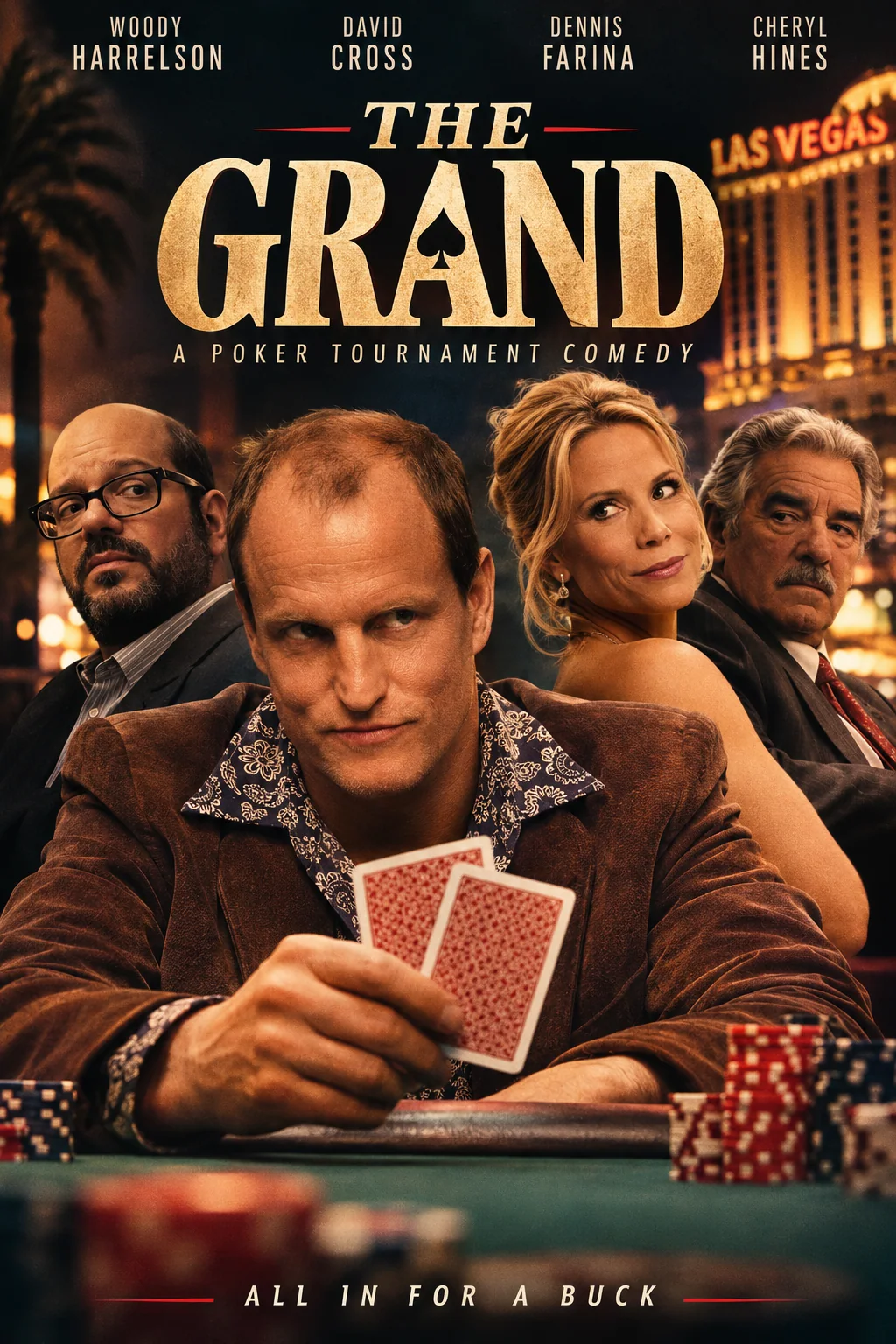
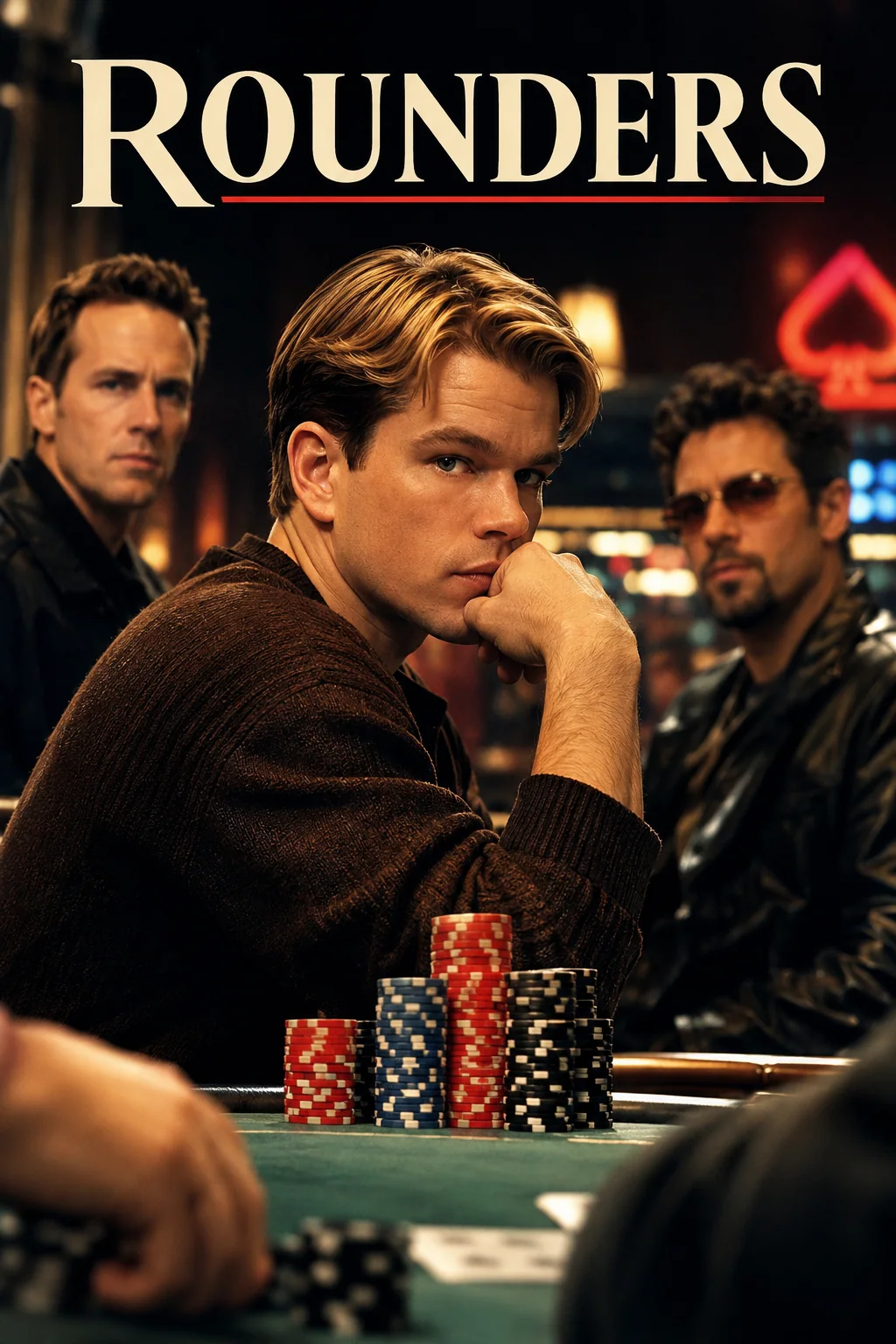
For a historical account of the 2003 boom, read All In: The Poker Movie. For a lighter interpretation of tournament culture, see The Grand. Deal presents another story about intergenerational rivalry.
Frequently asked questions
Is Lucky You based on a true story? Huck Cheever and his central storyline are fictional, although the movie incorporates the historical setting of the 2003 World Series of Poker.
Who plays Huck's father? Robert Duvall plays L.C. Cheever.
What is the main message? Competitive success cannot replace emotional honesty, financial responsibility, and meaningful personal relationships.
Final thoughts
Lucky You examines the emotional consequences of allowing competition to define personal identity. The championship provides the dramatic framework, but the film's emotional center lies in Huck's changing understanding of success. Some of life's most important achievements cannot be measured in money, trophies, or tournament results.